The phrase workflow automation gets thrown around a lot in business conversations, usually in contexts that feel either overly technical or vague. For a small business owner running a salon, a remodeling company, or a service firm in The Woodlands, it can be difficult to translate the concept into something concrete and relevant to daily operations.
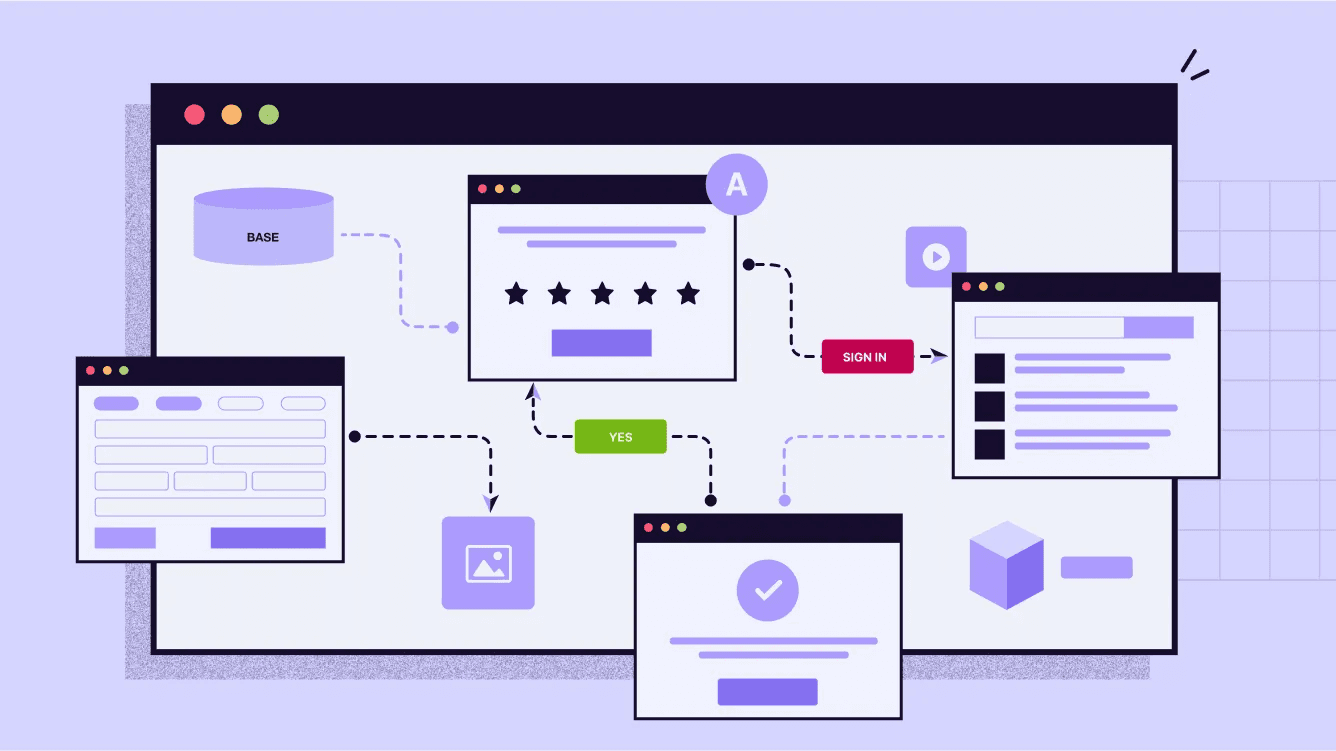
Here is the clearest definition we have found: workflow automation is the use of software to complete repetitive, rule-based tasks without human intervention. Every time a specific trigger happens — a new customer fills out a form, a call comes in, an invoice is paid, an appointment is confirmed — an automated workflow takes a pre-defined set of actions without anyone on your team having to do anything.
That definition becomes a lot more interesting when you start listing what those tasks actually are.
The Hidden Labor Cost of Manual Processes
Most small business owners in The Woodlands are not paying close attention to how many hours per week their team spends on tasks that a computer could handle. It adds up faster than expected.
Think about what happens when a new lead comes in from a website form. Someone has to see the notification, copy the contact information into a CRM, send a follow-up email, schedule a call, add the appointment to a calendar, and set a reminder. For a business receiving 10 to 20 leads per week, that sequence of actions can consume five to eight hours of staff time — time that costs money and produces no additional revenue.
Now multiply that across every repetitive process in the business: appointment confirmations, invoice follow-ups, review request emails, onboarding sequences, call logging, report generation. The total picture is often 15 to 25 hours per week of manual work that exists purely because the right systems are not in place.
What Workflow Automation Looks Like in Practice
For a home services company in The Woodlands, automation might look like this: a customer calls and speaks with an AI receptionist. The call is logged automatically. A CRM entry is created with the customer's name, phone number, and the nature of their inquiry. A follow-up text is sent within minutes. If no response comes within 24 hours, a second follow-up triggers automatically. When the job is complete, a review request goes out via text. All of this happens without a single team member touching a keyboard.
For a medical practice, automation handles appointment reminders sent 48 and 24 hours before the visit, new patient intake forms delivered via text link, insurance verification requests routed to the billing team, and no-show follow-up sequences that attempt to rebook the patient automatically.
For a restaurant, automation handles reservation confirmations, birthday and anniversary follow-up messages to returning guests, and waitlist notifications when a table opens up.
The Tools That Make It Possible
The automation infrastructure available to small businesses today is dramatically more capable and affordable than it was even three years ago. Platforms like n8n allow businesses to connect their existing tools — phone systems, calendars, CRMs, email, SMS — into automated workflows without requiring a developer or a large technology budget.
Combined with AI systems like voice receptionists, these platforms create an operational layer that handles routine work reliably and at scale. The business owner does not replace their team. They redeploy their team toward work that actually requires human judgment — building relationships, solving complex problems, delivering quality service.
Why 2026 Is the Right Time to Move
The barrier to workflow automation has never been lower. The tools are mature, the cost is manageable, and the competitive pressure to operate more efficiently is higher than it has ever been. Small businesses that automate core workflows in 2026 will operate with lower overhead, faster response times, and more consistent customer experiences than competitors who are still running manual processes.
On Agency builds and deploys custom workflow automation systems for local businesses in The Woodlands and Greater Houston. We start with a free audit of your current operations, identify the highest-impact automation opportunities, and build systems that integrate directly with the tools you already use. Book a free consultation and find out what your business could look like with the right automation in place.